About
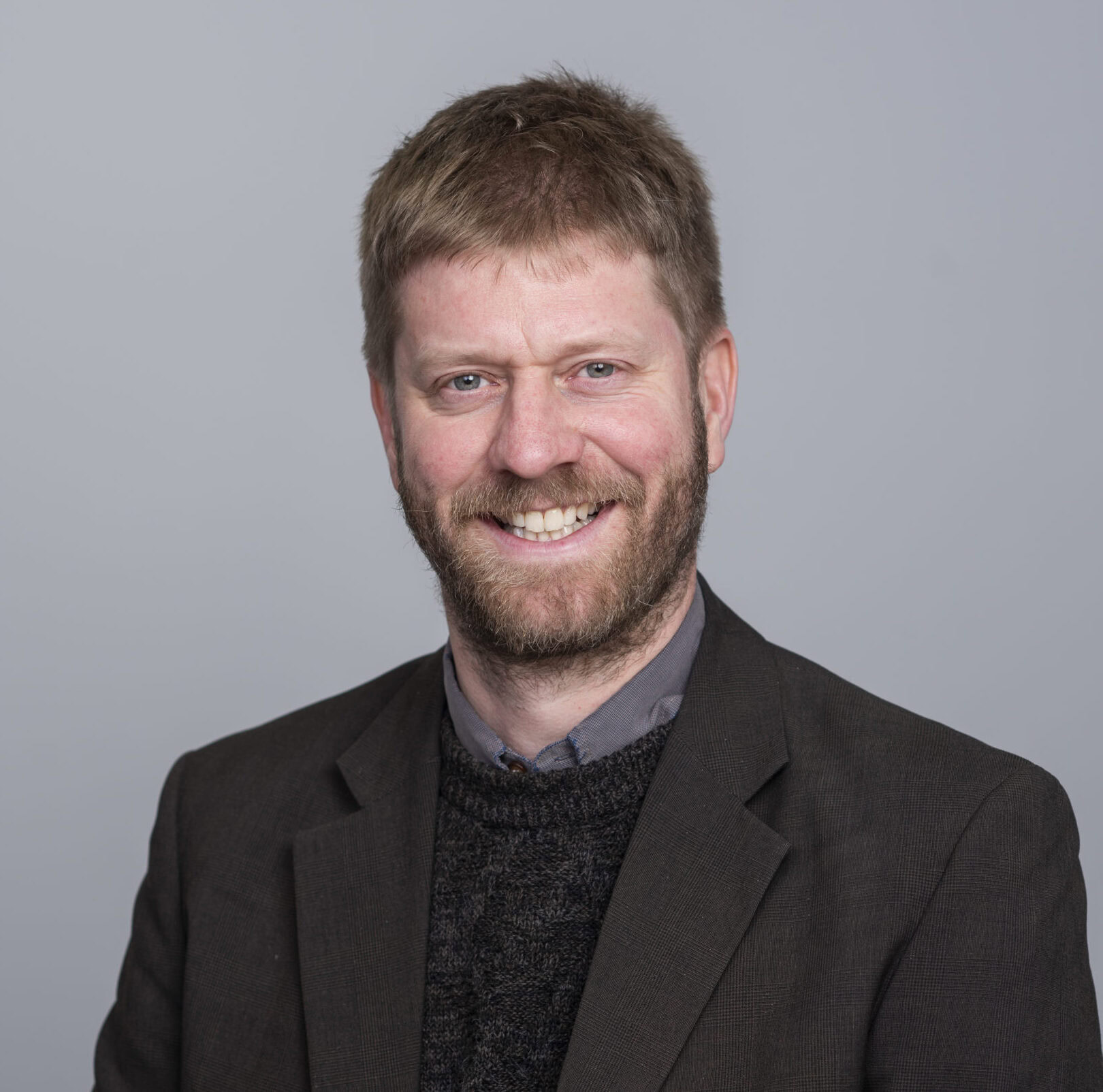
Pieter is Professor of Cultural Evolution at the University of Oxford. At Regent’s, he is the Tutorial Fellow in Human Sciences and Director of the Computational Humanities Lab (CHL). At the School of Anthropology & Museum Ethnography, he is Lead of the World History Lab, which is part of the Centre for the Study of Social Cohesion. At the Alan Turing Institute, he is the Academic Lead on Data Science and AI for the Arts and Humanities. Pieter is also the Founding Director of the Seshat Global History Databank project.
Research
Pieter’s research draws on the fields of cultural evolution, history, digital humanities and data science and AI. A unifying theme across his research strands is the question of how to foster greater consilience across the humanities, social sciences, and data science.
A first research strand engages with questions about how to write quantitative world history, especially using long timescales. Most of Pieter’s work in this strand centres on his Seshat Global History Databank project, which he founded with Peter Turchin and Harvey Whitehouse in 2011, and of which Pieter is the Executive Director. Pieter is especially interested in explaining the evolution of social complexity and the role warfare, ritual, and religious tolerance play in this evolution. More generally, he is keen to understand the deep drivers of what makes societies more cohesive, resilient, and peaceful and how these insights can be leveraged by the policy world. This last research takes places in the framework of the Defence & Security Grand Challenge at the Alan Turing Institute.
Building upon this first research strand, a second strand focuses on how to create infrastructures that will enable large-scale collaboration across the arts and humanities and the GLAM world. Pieter’s interests lie both in better understanding the process of how to build large-scale infrastructures and in issues of governance, ethics, and collaborative culture. He furthers this research strand through the project ‘Data/Culture. Building Sustainable Scholarly Communities around Arts and Humanities datasets and software’, of which Pieter is the PI.
Thirdly, Pieter works on the topic of Freedom of Religion or Belief (FoRB), and more generally religious tolerance, and how this topic intersects with the Sustainable Development Goals. He is PI of the Freedom of Religion or Belief Leadership Network (FoRBLeadership Network).
Finally, Pieter has an older but still ongoing research strand which focuses on Victorian travellers on the Continent and on how to make use of digital humanities methods to study nineteenth-century material.