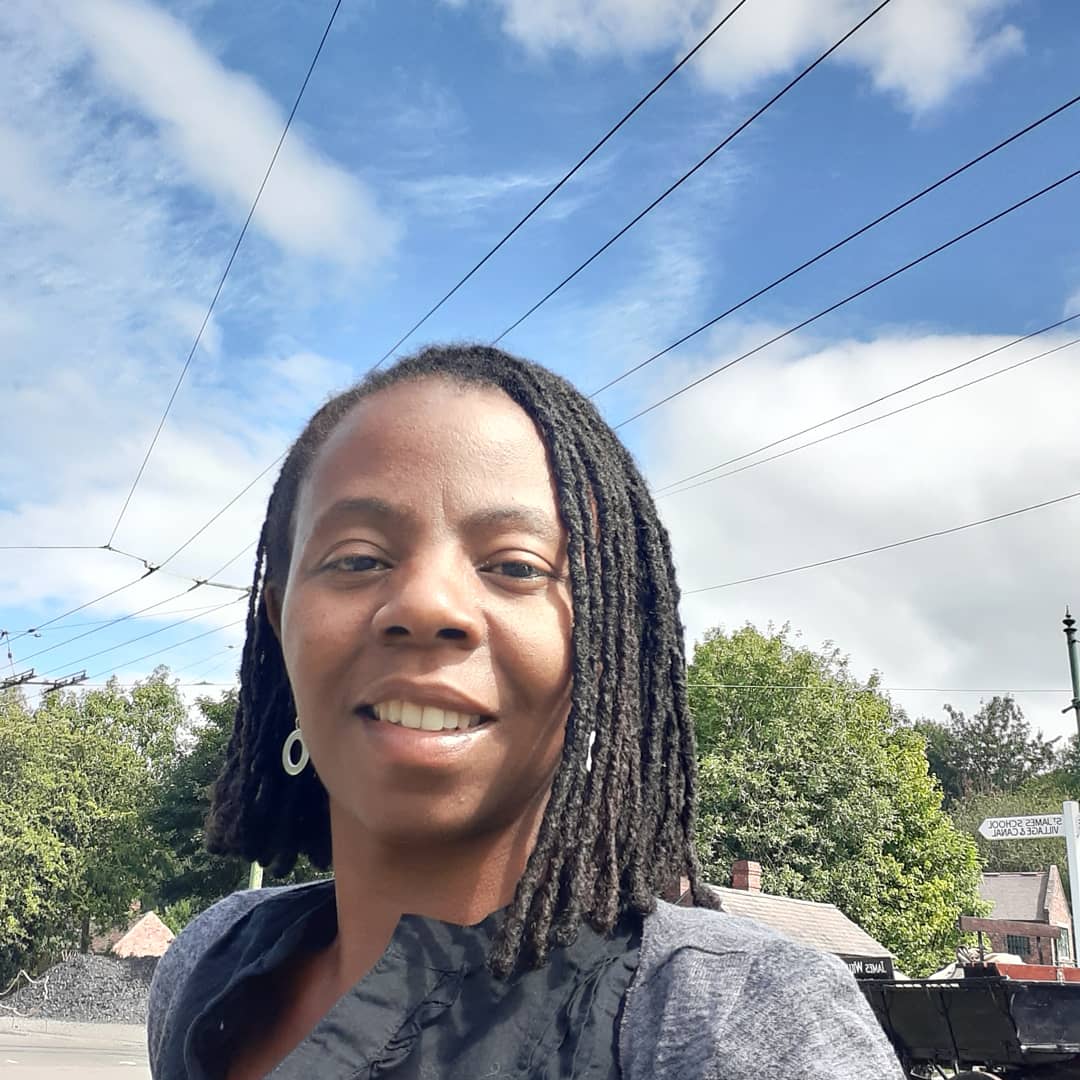
Gale Richards is a Postdoctoral Research Fellow of the Centre for Baptist Studies.
The Birmingham Baptist Churches exploring their Black History research project aims to help churches re-narrate their church histories in order to acknowledge the largely overlooked experiences and contributions of the first Black church members (men and women), first Black deacons (men and women), first Black pastors (men and women) in the Baptist Union of Great Britain’s churches.
It is members of these Baptist churches who are enlisted as part of the project, to act as co-researchers to engage with key historical documents and oral histories in order to construct, reflect on, and share short biographies on these key historical Black Baptist figures.
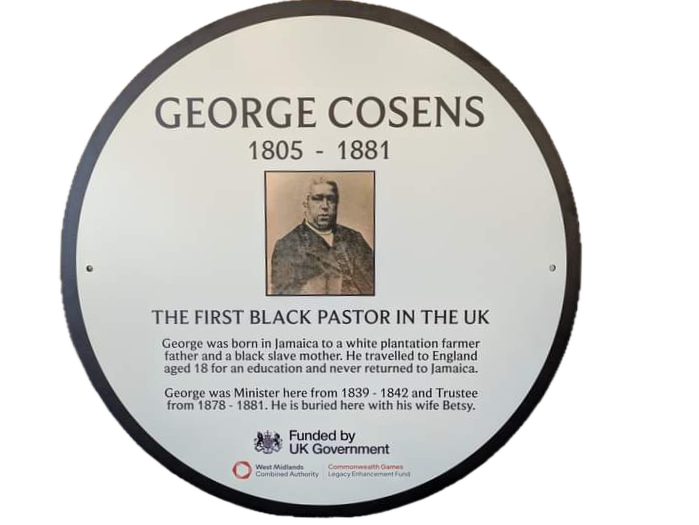
The project focuses on seven Baptist churches in Birmingham, to build on the work that has already been undertaken in the West Midlands to uncover the earliest known Black person to hold pastoral charge of any church of any denomination in Britain as a whole – Revd George Cosens who served as minister at Cradley Heath Baptist Church from 1837 – and specifically in Birmingham – Revd Peter Stanford who served as minister at Hope Street Baptist Church, Birmingham (the forerunner of Highgate Baptist Church) from 1889.
Questions that lie at the heart of this research project include:
- What were the historical congregational responses to these key Black figures? What theology underpinned these responses?
- What were the historical responses of these Black figures to how they were received? What theology underpinned their responses?
- What can be learned from these historical responses and related theological insights for building a more inclusive Church and society today?
Update July 2025:
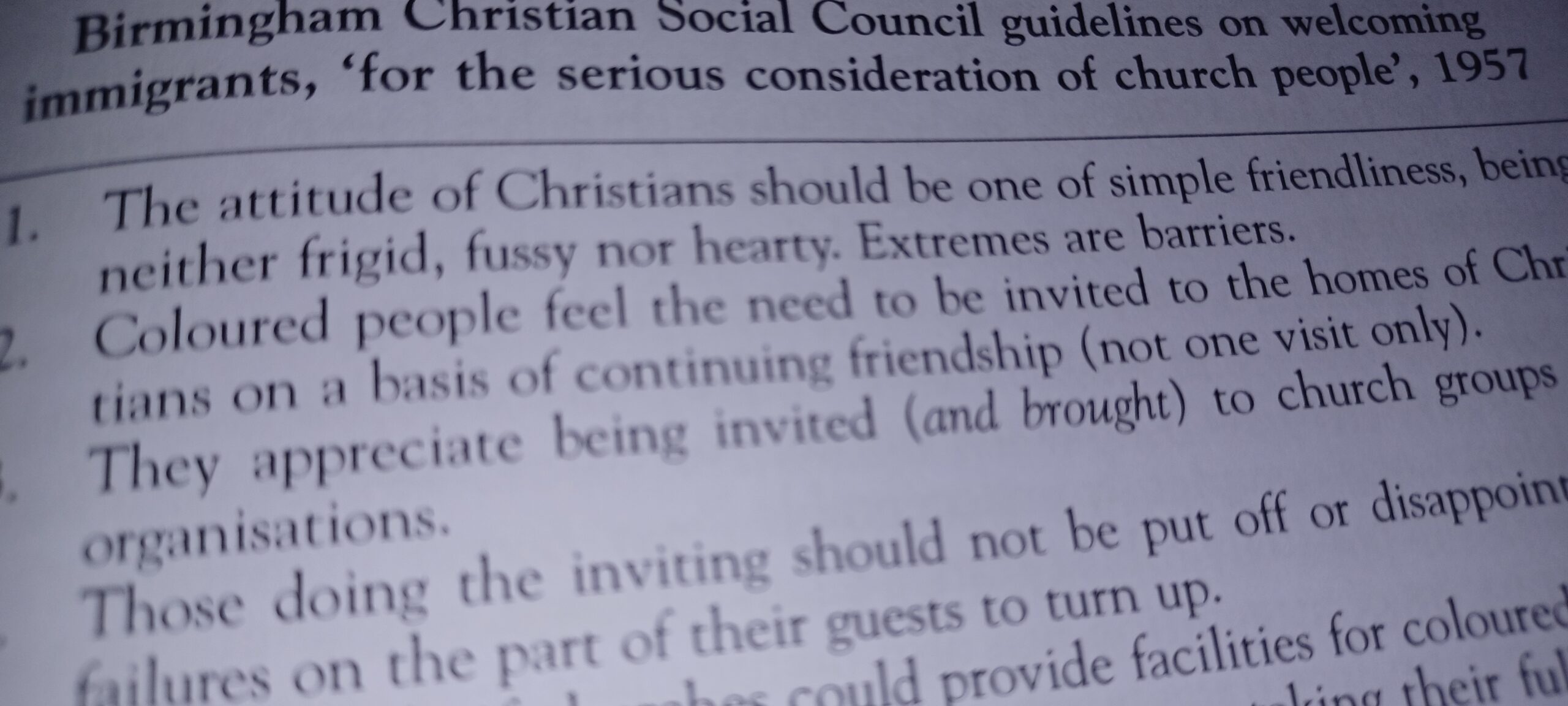
I have reached the point of actively working with members of Baptist churches to reflect on historical documents as we work towards the project’s aim of constructing, reflecting on, and sharing short biographies on key historical Black Baptist figures. Fascinatingly, these historical documents are pointing us in the direction of forgotten ecumenical organisations such as Birmingham Christian Social Council. This was an organisation established in the 1930s and from its inception sought to equip churches to welcome people from a range of nationalities and ethnic backgrounds who were making their home in Birmingham.

Introduction
This section has details about the project, click the item below to expand and read more...
Story of the Project
West Midlands is the region where the first Black minister (of any denomination) – a Baptist minister, George Cosens, minister of Cradley Heath BC in 1837 – is known to have held pastoral charge of a church in Britain. Birmingham in the West Midlands is also home to one of the next earliest known Black pastors – Peter Stanford, minister of Hope St BC (today known as Highgate BC), in the 1880s. Birmingham was also both a key centre of the industrial revolution which sourced the metal-based equipment that shacked Black people during enslavement. At the same time, it was a key centre for the abolition of slavery movement, and for Baptists (and others) this was linked closely to the work of BMS.
Acknowledgements
Key funders for the project will be listed and thanked and thanks will be extended to the key historians (and others) Gale has worked with.
Key First Black Leaders

Key First Black Leaders
Click the headings below to expand each section for more about the early Black Leaders of the Baptist Churches in Birmingham...
Leader 1

Text here
Lorem ipsum dolor sit amet, consectetur adipiscing elit. Ut elit tellus, luctus nec ullamcorper mattis, pulvinar dapibus leo.
Video here
Photos here
Leader 2
Text here
Lorem ipsum dolor sit amet, consectetur adipiscing elit. Ut elit tellus, luctus nec ullamcorper mattis, pulvinar dapibus leo.
Video here
Photos here
Leader 3
Text here
Lorem ipsum dolor sit amet, consectetur adipiscing elit. Ut elit tellus, luctus nec ullamcorper mattis, pulvinar dapibus leo.
Video here
Photos here
Leader 4
Text here
Lorem ipsum dolor sit amet, consectetur adipiscing elit. Ut elit tellus, luctus nec ullamcorper mattis, pulvinar dapibus leo.
Video here
Photos here
Leader 5
Text here
Lorem ipsum dolor sit amet, consectetur adipiscing elit. Ut elit tellus, luctus nec ullamcorper mattis, pulvinar dapibus leo.
Video here
Photos here
Leader 6
Text here
Lorem ipsum dolor sit amet, consectetur adipiscing elit. Ut elit tellus, luctus nec ullamcorper mattis, pulvinar dapibus leo.
Video here
Photos here
Influential Churches

Influential Churches
Click the headings below to expand each section for more about each individual church that this project looks at...
Church 1
Text here
Lorem ipsum dolor sit amet, consectetur adipiscing elit. Ut elit tellus, luctus nec ullamcorper mattis, pulvinar dapibus leo.
Video here
Photos here
Church 2
Text here
Lorem ipsum dolor sit amet, consectetur adipiscing elit. Ut elit tellus, luctus nec ullamcorper mattis, pulvinar dapibus leo.
Video here
Photos here
Church 3
Text here
Lorem ipsum dolor sit amet, consectetur adipiscing elit. Ut elit tellus, luctus nec ullamcorper mattis, pulvinar dapibus leo.
Video here
Photos here
Church 4
Text here
Lorem ipsum dolor sit amet, consectetur adipiscing elit. Ut elit tellus, luctus nec ullamcorper mattis, pulvinar dapibus leo.
Video here
Photos here
Church 5
Text here
Lorem ipsum dolor sit amet, consectetur adipiscing elit. Ut elit tellus, luctus nec ullamcorper mattis, pulvinar dapibus leo.
Video here
Photos here
Church 6
Text here
Lorem ipsum dolor sit amet, consectetur adipiscing elit. Ut elit tellus, luctus nec ullamcorper mattis, pulvinar dapibus leo.
Video here
Photos here
Birmingham-wide Church Context

Birmingham-Wide Church Context
This will be written by Gale as the principal investigator and will be set out with words and photos
West Midlands Baptist Association
Text here
West Midland Baptist Association as the overarching body for Baptist Union of Great Britain churches in Birmingham and surrounding area led initiatives such as the Joint West Indian Committee to help welcome the Windrush Generation.
Video here
Photos here
Ecumenical Scene
Text here
Birmingham’s strong position in the ecumenical scene that is traced back to its hosting of COPEC in 1924, which led to the early establishing of important ecumenical organisations such as Birmingham Christian Social Council in the 1930s to help welcome migrants/immigrants, a forerunner of what is today known as Birmingham Churches Together.
Video here
Photos here